
Have you ever felt like your menstrual cycle is a bit of a mystery? It’s more than just a monthly occurrence—it’s a key player in your overall health and well-being. I recently stumbled upon a very insightful video on the ZOE YouTube channel titled “How to Hack Your Menstrual Cycle With Diet, Exercise, & Sleep”, and it completely changed my perspective. In this post, I’m excited to share some of the valuable insights I gathered from this video and how you can use this knowledge to enhance your daily life.
The Power of Understanding Your Menstrual Cycle
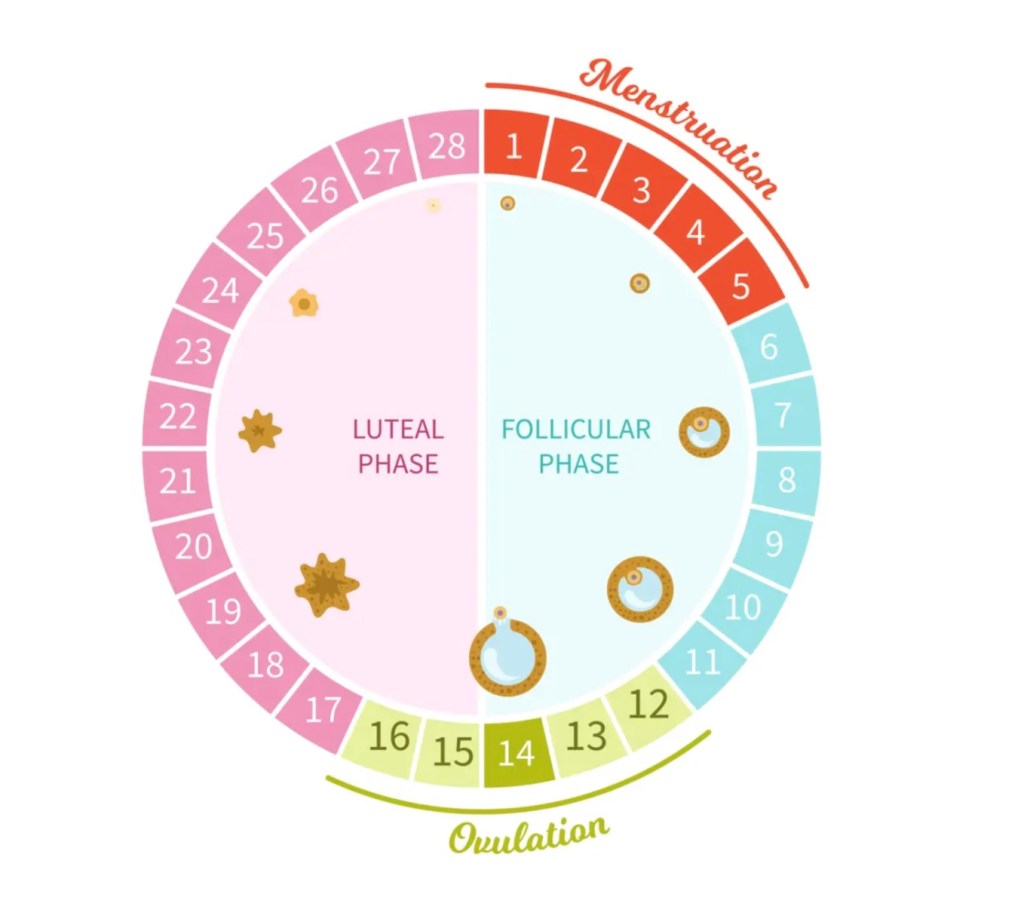
Our menstrual cycle influences more than just our reproductive health—it impacts our mood, metabolism, and overall well-being. Understanding the cycle’s phases can help us optimize our health and performance throughout the month. Typically lasting between 23 to 35 days, the menstrual cycle involves a dance of four main hormones: estrogen, progesterone, LH (luteinizing hormone), and FSH (follicle-stimulating hormone). The menstrual cycle is divided into two phases: the follicular phase (first half) and the luteal phase (second half), with ovulation in between. Each phase has different hormonal levels affecting the body differently.
Menstruation (Beginning of the Cycle)
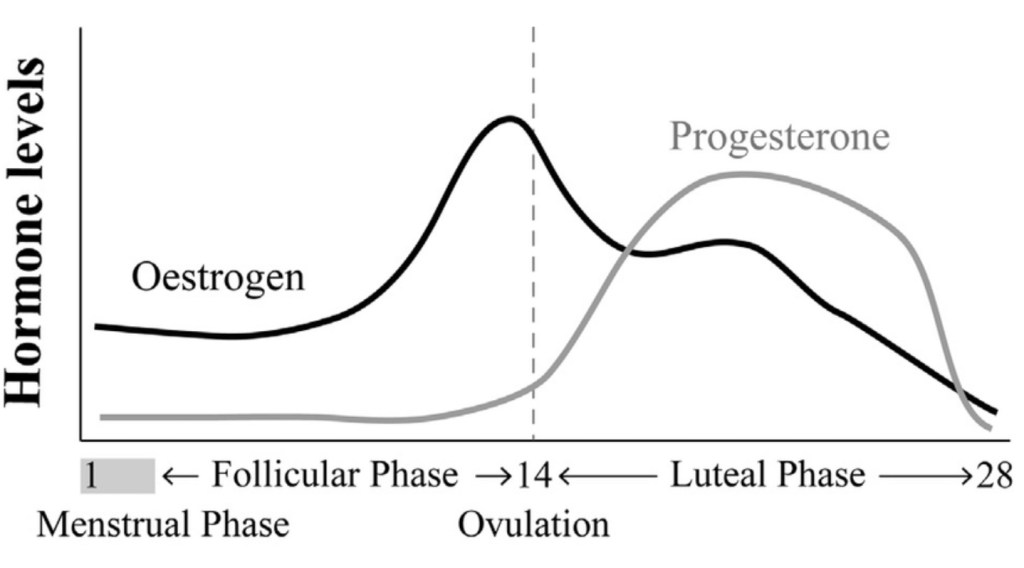
Menstruation, or the period, is when hormone levels are low. Estrogen and progesterone are at their lowest during this period, and it typically lasts for five to seven days.
Symptoms may include bloating, cramps, irritability, tearfulness, and gut-related issues like looser stools and nausea. This is due to a sharp drop in progesterone and an increase in inflammatory markers.
The ‘Spring’ of the menstrual cycle
Hormone levels rise after menstruation, leading to what is often referred to as the best week for most women, or the ‘spring‘ of the menstrual cycle.
Known for the ‘ovulation glow‘, better mood, increased motivation and strength, this phase also presents a decrease in appetite. Unlike the next phase with heightened metabolism and cravings, this time is usually symptom-free and overall positive.
Ovulation: The Peak of Your Cycle
Ovulation occurs around the midpoint of your cycle, and it’s characterized by high hormone levels. This is when you might feel your strongest and most energetic. This phase is optimal for physical performance and mental clarity, making it the perfect time to tackle challenging workouts or important projects. Embrace this time to push your limits and enjoy the benefits of heightened strength and motivation.
The Luteal Phase: Navigating the ‘Autumn’

Post-ovulation, we enter the luteal phase, often compared to ‘autumn.’ This phase is marked by rising progesterone levels and an increase in body temperature. While this temperature rise might seem minor, it can disrupt your sleep and affect your mood. Fluid retention is also common, so staying hydrated becomes even more crucial.
Managing Premenstrual Symptoms
As you approach the end of the luteal phase, you might experience premenstrual symptoms. Over 90% of women experience some form of these symptoms, which can range from mild discomfort to severe premenstrual syndrome (PMS). PMS can significantly impact daily life, but the symptoms typically subside with the start of menstruation. If you’re struggling, it’s worth exploring lifestyle changes that might help ease these symptoms.
Hormonal Health and Its Broader Implications
Estrogen: A Multifaceted Hormone
Estrogen is more than just a female hormone; it plays an essential role in both men and women. During menopause, the decline in estrogen can lead to increased risks for cardiovascular and bone health issues. Estrogen helps maintain arterial health, and its reduction can lead to higher blood pressure and a greater risk of heart disease.
High Estrogen Phase: Optimizing Your Fitness
The high estrogen phase, which precedes ovulation, can enhance cardiovascular fitness and muscle-building potential. Female athletes often prefer this period for training, leveraging the benefits of improved strength, endurance, and mood. It’s a great time to focus on your fitness goals and push yourself further.
Cycle Syncing: Tailoring Your Lifestyle to Your Cycle
Cycle syncing involves aligning your lifestyle choices with the different phases of your menstrual cycle. This approach can be compared to the ‘seasons’ of your cycle—winter for menstruation, spring for the pre-ovulation phase, summer for ovulation, and autumn for post-ovulation. By adjusting your nutrition, exercise, and self-care routines to these phases, you can optimize your well-being and performance.
Nutrition: Embracing an Anti-Inflammatory Diet
Menstruation is an inflammatory response due to the process of shedding.
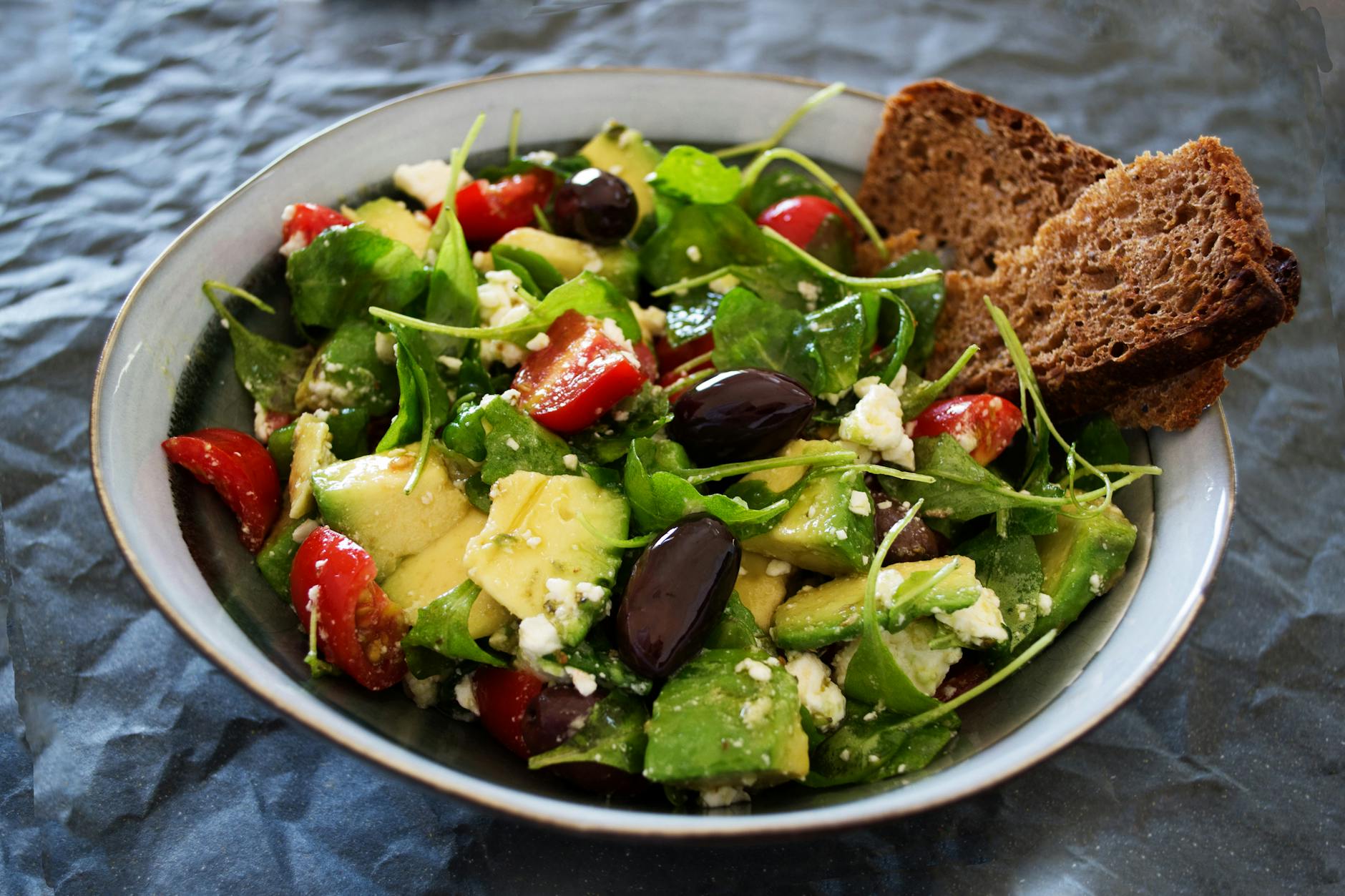
An anti-inflammatory diet, rich in colorful fruits, vegetables, high fiber grains, legumes, omega-3 foods like oily fish, flax seeds, walnuts, and various herbs and spices, can support our bodies and moderate the immune response.
This dietary shift should ideally commence just before menstruation begins (about 1 week before the menstruation). A Mediterranean diet, especially rich in leafy greens and berries, is beneficial during the menstrual cycle. It can alleviate symptoms like cramps and positively impact health.
Hydration and Food Choices
Staying hydrated is crucial, especially during the luteal phase. It is advised to avoid stimulants like caffeine and fatty foods, which can exacerbate symptoms. Instead, focus on maintaining proper hydration and choosing foods that support your body’s needs.
The Gut-Menstrual Health Connection
There is a link between gut health and menstrual health. Since a significant portion of estrogen is metabolized in the gut, maintaining a healthy gut is essential throughout your cycle. Incorporating probiotics and fiber-rich foods can support your gut flora and improve overall health.
Iron Deficiency: Boosting Your Intake
Iron deficiency is common among women due to menstrual blood loss. So, it’s very beneficial to increase your iron intake through both animal and plant-based sources.
“When you lose a lot of blood during your period, you may end up losing more red blood cells than your body can make. This can reduce the amount of iron in your body.” – healthline.com
Pairing iron-rich foods with vitamin C, like adding lemon to hummus, can enhance iron absorption.
Exercise and Sleep: Finding Balance
Regular exercise can help alleviate menstrual symptoms and lighten your period. There are multiple benefits to practicing low-intensity exercises, like yoga, for managing symptoms and improving overall well-being.
Additionally, pay attention to sleep quality, as hormonal changes can impact rest. Sleep disturbances may occur after ovulation and during the pre-menstrual period. This happens, due to an increase in body temperature that occurs after ovulation, remaining elevated until the next period. So, aim for a routine that supports all stages of sleep to maintain emotional and physical health.
Final Thoughts
Understanding your menstrual cycle and syncing your lifestyle with its phases can be a game-changer for your health and well-being. If you’re interested in exploring these concepts further, I highly recommend checking out the full video on their YouTube channel. It’s a treasure trove of information that can empower you to optimize your health and live your best life.
Feel free to share your thoughts in the comments below. Let’s support each other on this journey to better health!
 Stacy Zenly
Leave a comment