

Today, I’m excited to share 19 great tips and techniques for managing and reducing anxiety that I came across in Radhi’s fantastic video, “How To Deal With Anxiety”.
When we are worrying about the past or rushing our mind into the future, there is a lack of presence where our body and our mind are in two different places. We can physically be here, but our minds have traveled somewhere completely different.
Anxiety is a persistent and excessive worry that makes us lose all rational perspectives and makes us expect the worst.
So, here are some practical tips to help you feel more at ease and take control of your anxiety!
This post contains affiliate links. This means I may earn a commission (at no extra cost for you) if you choose to make a purchase using my links.
I genuinely love all of these companies and products anyways, and I think you will too!
1. Take action
When we end up taking steps towards improving a situation that makes us feel anxious, it actually helps us feel like we are part of the solution. It helps us feel like we are part of making that situation better.
2. Essential oils
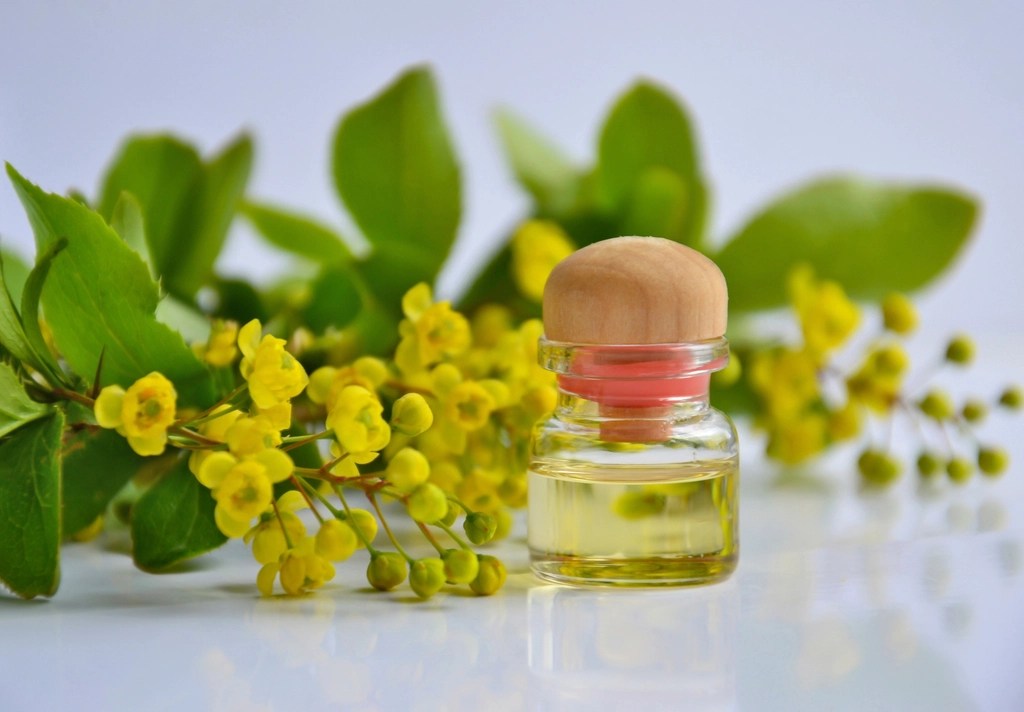
Lemon essential oil is known to uplift our mood and create a more cheerful atmosphere around us.
Check out my favorite Lemon essential oil: doTERRA Lemon Essential Oil
Bergamot essential oil is used not only to relieve anxiety but also to take our body into a deep relaxation mode. It’s often used by people who suffer from panic attacks or panic disorders.
Check out my favorite Bergamot essential oil: doTERRA – Bergamot Essential Oil
One of the essential oil blends from dōTERRA that is good for stress is called “Serenity.”
My other absolute favorites for stress and anxiety relief are the essential oil blends “Peace” and “PastTense”.
Put it on your pressure points—on your wrists, on your temples, and on your neck—so that you can smell those oils while taking deep breaths.
3. Breathing
There’s a connection between our mind and our body.
If we could take control of our breath, we’d be able to control our emotions and our emotional response.
Simple, deep belly breathing helps trigger our relaxation response in our body. It also lowers blood pressure and heart rate.
Scientifically, it’s been shown that when we are taking deep breaths, we can’t feel anxious at the same time.
4. Meditation
One of the great meditations for anxiety relief is scanning your entire body. It is known as Body Scan meditation or Yoga Nidra.
You can find some of the great ones on these YouTube channels: “Ally Boothroyd” and “Caroline McCready Meditation“.
It takes you through scanning your entire body from head to toes.
A lot of the time, when we’re anxious, we’re trying to figure out how to control our mind, but sometimes we’re holding so much pressure in our physical body that we need to let go of that first before our mind feels like it’s okay.
5. Anulom Vilom
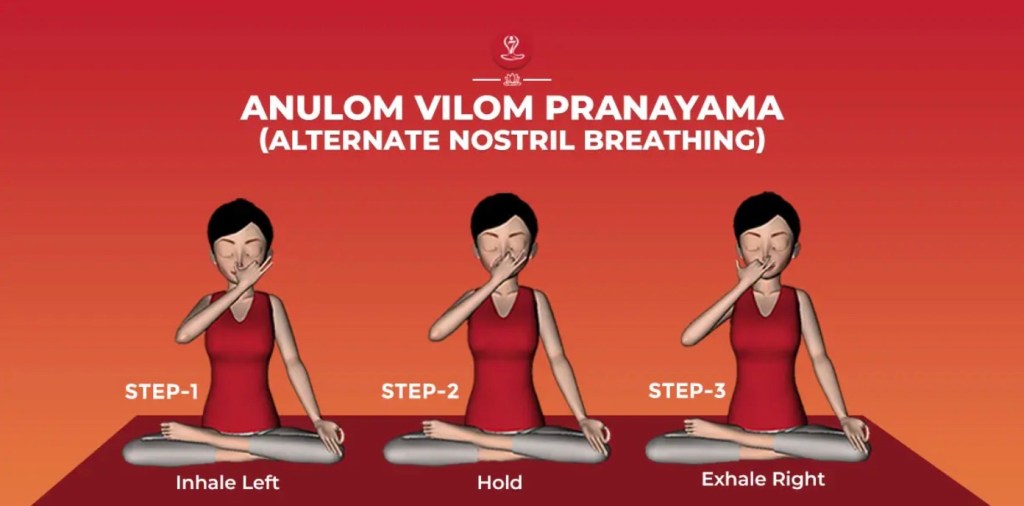
Source: 7pranayama.com
Anulom Vilom is a breathing exercise, or pranayama, practiced in yoga to improve focus and calm the mind.
It involves breathing through the left and right nostrils in an alternate manner: first, we inhale completely from the left nostril while closing the right one, then close the left nostril and exhale through the right nostril. Breathing in this alternate process is then reversed and repeated.
6. Tapping
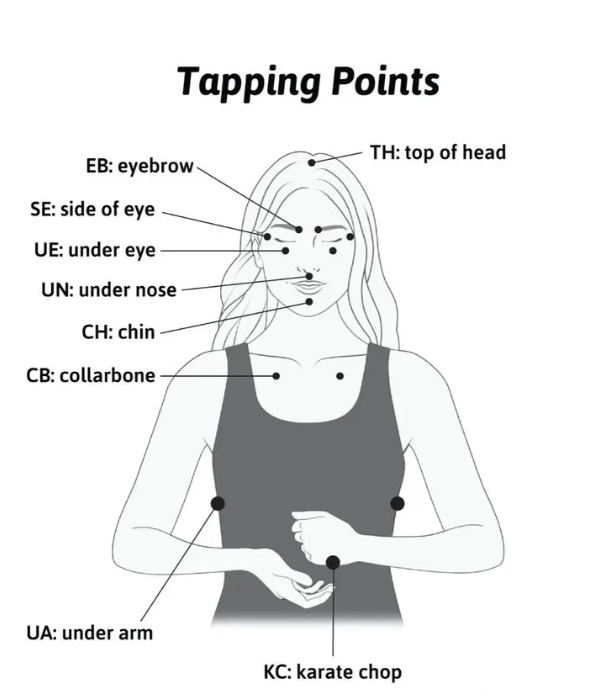
Source: thetappingsolution.com
Tapping is also known as the EFT emotional freedom technique.You’re tapping the meridian points on your body.
There are 12 meridian points in your body, and you’re going through each of those points gently tapping them, usually seven times in each area.
Tapping helps release any energy that’s stagnant in those parts of the body and helps the energy flow freely.
You can also set an intention before you start; it can be just a simple phrase, an affirmation, something that’s very specific to your situation, or something that brings you calm. While you’re tapping, repeat the phrase constantly.
7. Abhyanga
Abhyanga means self-massage. It is an Ayurvedic ritual where you apply oil, ideally warm oil, and massage it all over your body.
By doing it every day, it helps to lubricate our nervous system because the oils that we put on our skin are absorbed into our body.
If you don’t have time to do it all over your body, you can simply massage your head, the top of your head, and the base of your feet. If you do it in the evening, it will help you sleep well at night and reduce the intensity of the anxiety you are feeling.
8. Herbs and Teas
Teas like chamomile, passion flower, and peppermint are especially good for anxiety relief.
My favorite chamomile tea: Taylors of Harrogate Organic Chamomile Herbal Tea
Peppermint tea: Taylors of Harrogate Organic Peppermint Herbal Tea
Chamomile is known for improving sleep. It helps relax and soothe the body, which is perfect in times of anxiety.
9. Vata dosha
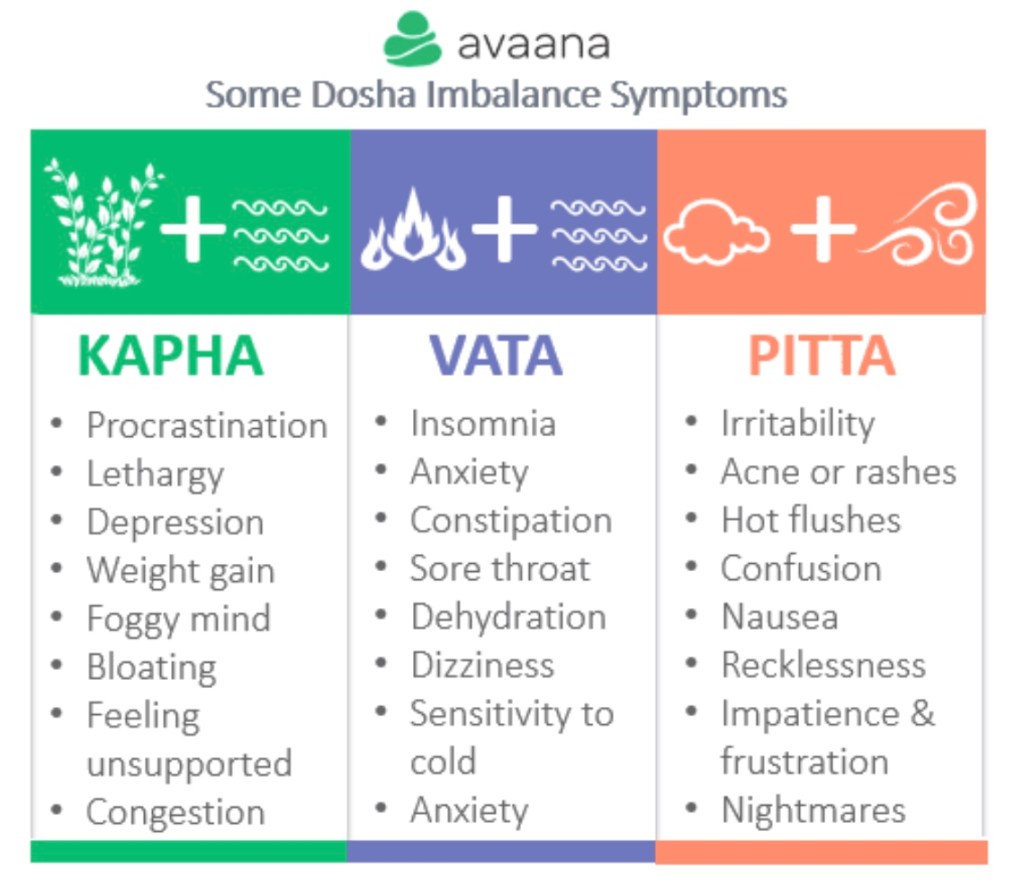
Source: avaana.com.au
According to an ancient Indian medicine – Ayurveda, anxiety is caused by an imbalanced Vata dosha. Ayurveda explains that there are three fundamental energies in our bodies which are called doshas. So, Vata, for example, is described as mobile, dry, and airy dosha.
So, when there is an excessive accumulation of these characteristics, it can lead to feelings of anxiety and uneasiness.
According to Ayurvedic principles, like increases like and opposites balance, meaning that we need to eat foods that induce opposites qualities of light, mobile, and airy — foods that are grounding and moist.
10. Magnesium
Our gut is often regarded as our second brain because it contains over 95% of the serotonin receptors throughout our body.
Magnesium intake is very helpful in decreasing feelings of anxiety. Magnesium-rich foods include nuts and seeds, leafy greens, legumes, and whole grains.
Low levels of antioxidants in the body are also linked to feelings of restlessness. So, one of the good ways to fix it is to start incorporating foods with high levels of antioxidants, such as berries, apples, prunes, broccoli, beets, and spices like ginger and turmeric, into your diet.
I really like this one: Pure Encapsulations Magnesium (Glycinate)
11. Vitamin D
Low levels of vitamin D are also associated with higher levels of anxiety.
Moreover, insufficient levels of vitamin D are detrimental for our joints and are also linked to depression.
I really like this one: Pure Encapsulations Vitamin D3
12. Warmth
Scientists have discovered that being in a state of warmth allows our muscles to relax. The reason for that is that having warmth in our bodies increases the production of serotonin. Thus, the more happy hormones we have in our bodies, the less anxious we feel.
So, take a warm bath in the evenings before you go to sleep.
13. Spending More Time in Nature
Many scientific findings have repeatedly proven that spending time in nature improves our health and mood. By exposing ourselves to nature, we can lower blood pressure, reduce heart rate, and regulate the production of cortisol (the stress hormone in our body).
Whenever we are in nature, we connect to our source. Maybe, that’s the reason we feel so rejuvenated after taking a walk in the park, for example.
There is a Japanese practice called “forest bathing”. It involves experiencing nature through all five senses. So whether it’s seeing something, smelling the flowers, hearing the birds, or basking in the natural light, embrace it.
14. Expressing Your Feelings
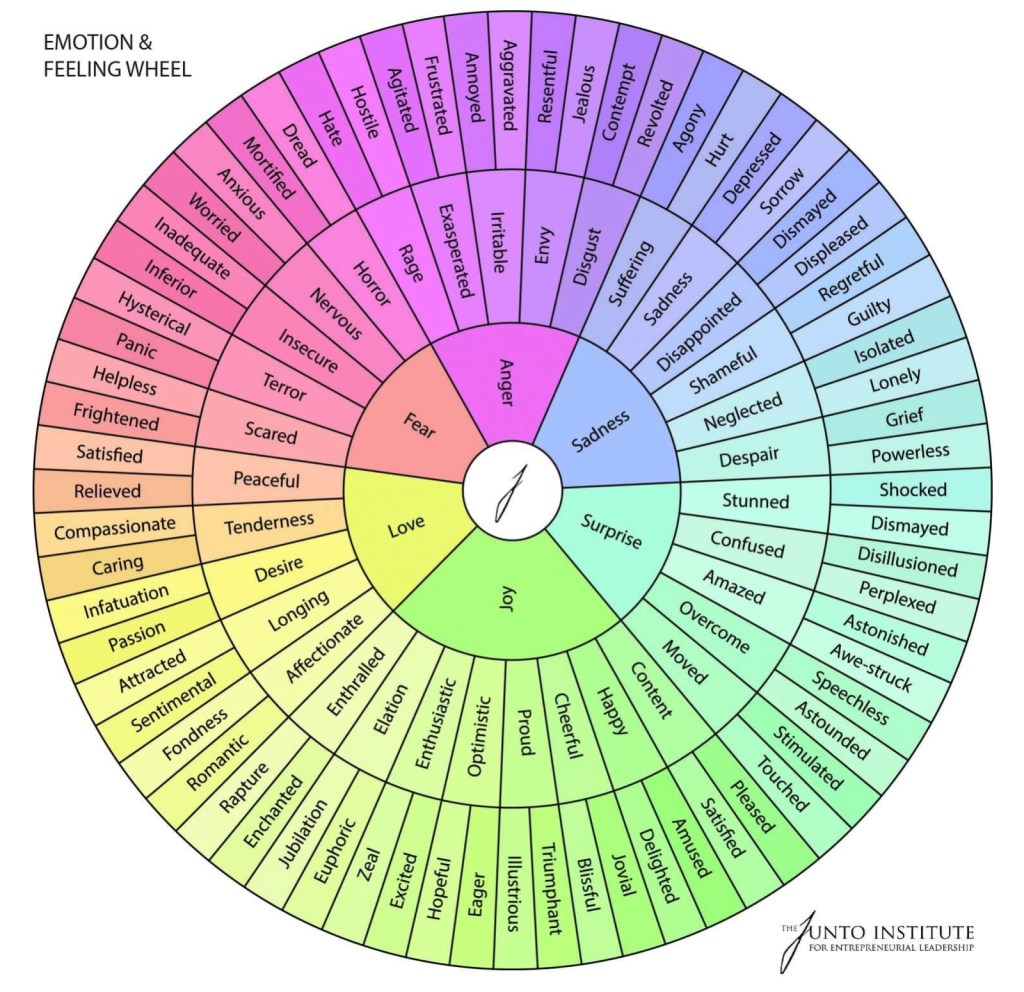
Source: davidhodder.com
It’s essential for our emotional well-being to release all pent-up emotions. Because if we continue to accumulate them, instead of expressing them, they can manifest as you feeling wound up and anxious.
If you want to unleash your emotional load, write in a journal, open up to a friend, or speak to a therapist.
To help yourself understand what emotions you are feeling at a given moment, you can use an Emotion Wheel, like the one in the photo above.
15. Adaptogens
Now, let’s have a look at adaptogens. They are herbs or plants that help us deal with the ups and downs of life, overcome exhaustion, enhance our mental performance, and relieve stress.
One of the great ones for stress relief is Ashwagandha. It helps build natural resistance and immunity to our daily stresses while also promoting self-confidence, positive thinking, and feelings of fulfillment.
You can get Ashwagandha pills, but also in powder form, and just add them to a warm glass of milk in the evening before you go to sleep.
Check out my favorite Ashwagandha pills: Pure Encapsulations Ashwagandha
16. Checklist
Sometimes anxiety comes from just having too much on our minds, so the way that you can handle that is by making a checklist. It can help free up your mind and allow you to focus on the task at hand.
You can write it down in the notes on your phone or scribble it onto a piece of paper. The point is to take the thoughts out of your mind and onto something tangible.
Constantly trying to remember something puts too much pressure on your mind.
17. Impressions Journal
In Sanskrit, impressions are called samskaras, which means that every single thing that comes in through our five senses leaves impressions in our minds (subconscious minds).
An impressions journal encourages you to write down every single thing that you find is coming through your senses (hearing, sight, taste, smell, touch, or whatever you are allowing into you).
You can ask yourself, “If I’m feeling like this, what in my day triggered that?” and see what sense it’s come through. Then you can decide whether this is something you don’t need in your life if it’s triggering a stress response.
18. Music
Sound vibrations through our bodies are so powerful. Meditation music can help move this energy through our body—anything stagnant, anything that is stubborn and not wanting to leave.
Movement, music, and sound vibrations can really help blast it out of our system.
Even if you don’t want to listen to meditation music, you can put on a song that takes you back to a happy moment in life. So, put it on loud, sing the lyrics, and dance!
19. Therapy
If you are experiencing a lot of anxiety that is impacting your physical, mental, and emotional well-being, consider seeing a therapist.
There is a lot of stigma in some countries surrounding therapy, but it is simply a way to express your thoughts and emotions to someone who is both trusted and capable of helping you navigate your life in a way that doesn’t trigger you or resolve the issues you are facing.
Conclusion
I hope these tips from Radhi’s video have provided you with some valuable tools and insights for managing and reducing anxiety!
Take care and stay zen! 🙂
Source Links:
 Stacy Zenly
Leave a comment